
Intimate Partner Violence (IPV) with Firearms
When someone uses a firearm to threaten or control their partner, it creates deep fear and real danger. In many relationships, guns are used to intimidate during arguments, silence victims, or cause devastating harm.
Firearms and intimate partner violence are a deadly mix. When a gun enters an abusive relationship, the risk of someone being seriously hurt or even killed rises sharply.
For many women in Canada, the presence of a firearm in the home doesn’t bring safety. It brings fear. The Red Flag Awareness Initiative 2025 is about helping people recognize the warning signs early before tragedy strikes.
“Each year in Canada, hundreds of women face threats or violence involving firearms in their own homes. Awareness and early action can save lives.”
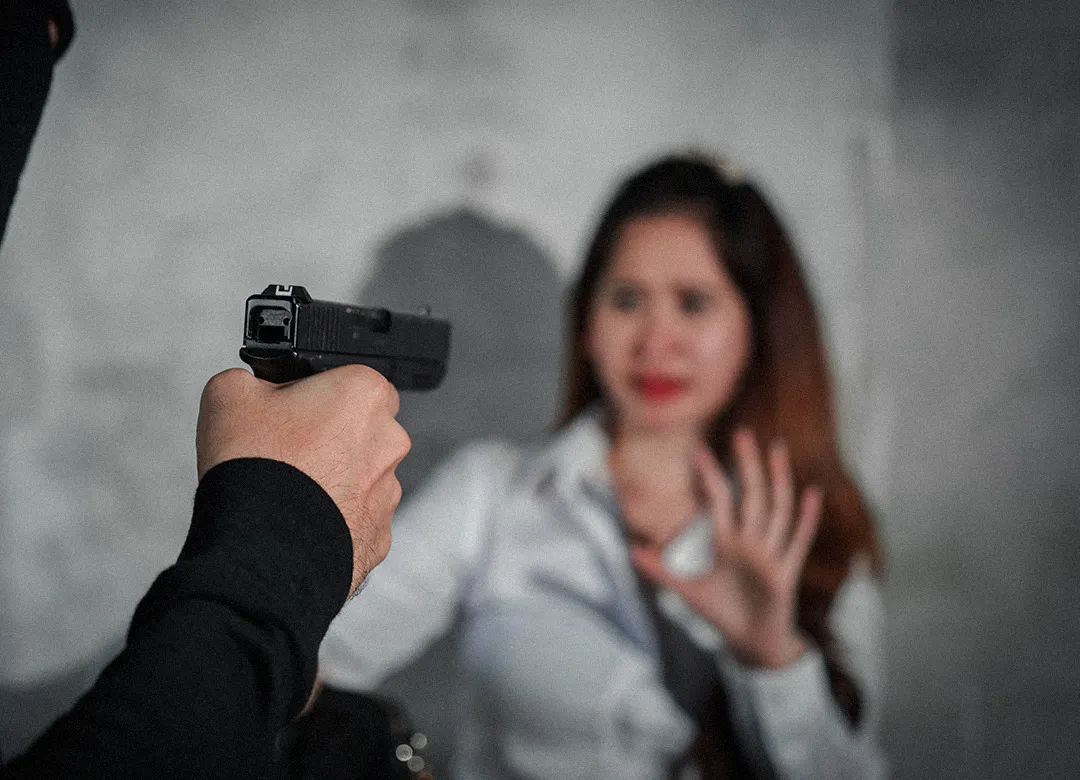
Threats with firearms
One of the clearest signs of escalating danger is when a partner threatens to use a gun against the victim or their loved ones. Even if the firearm is never discharged, the threat itself creates deep fear and psychological trauma. Such threats should never be ignored, they are serious indicators of potential lethal violence.
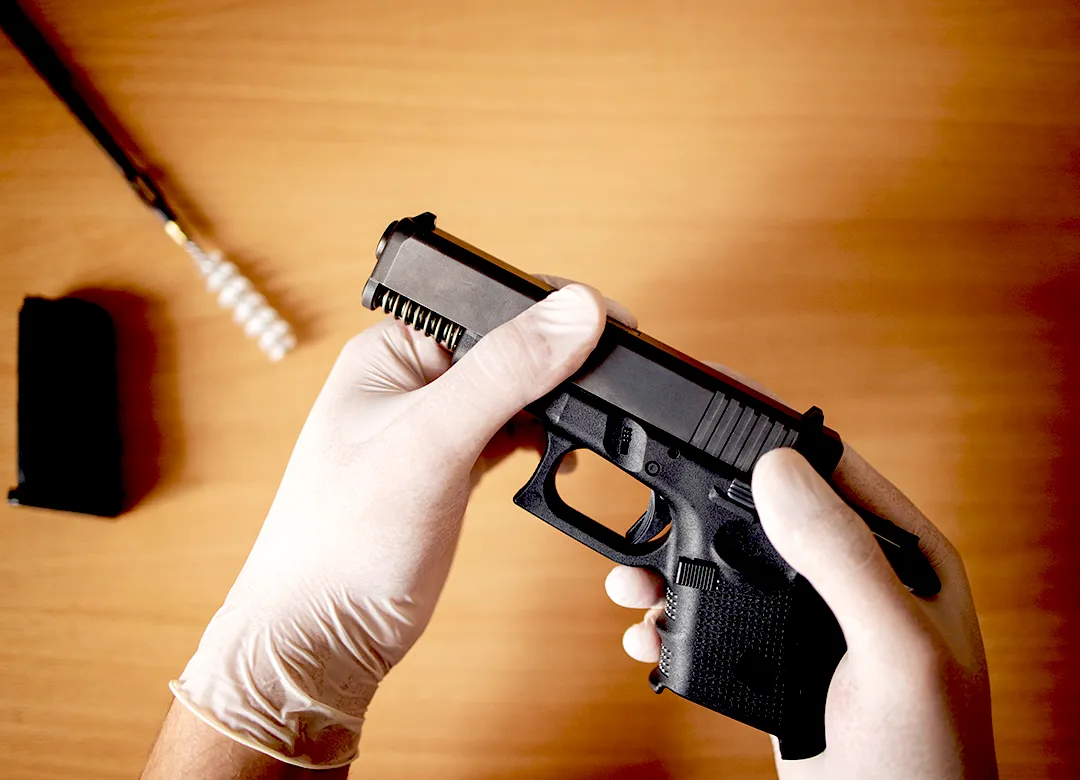
Intimidation - Displaying, cleaning, or loading firearms during arguments
Sometimes the gun isn’t fired, but it’s used as a weapon all the same. An abuser might clean, load, or show off a firearm during an argument just to prove a point or to remind the victim who’s in control. This kind of intimidation keeps victims silent, trapped, and scared to speak out.

Physical assault - Hitting or injuring with a firearm
When arguments turn physical, firearms can become tools of assault. Hitting someone with a gun, pointing it at them, or firing it in anger are all forms of violence. No one deserves to live in that kind of fear and it’s important to know that help and protection are available.
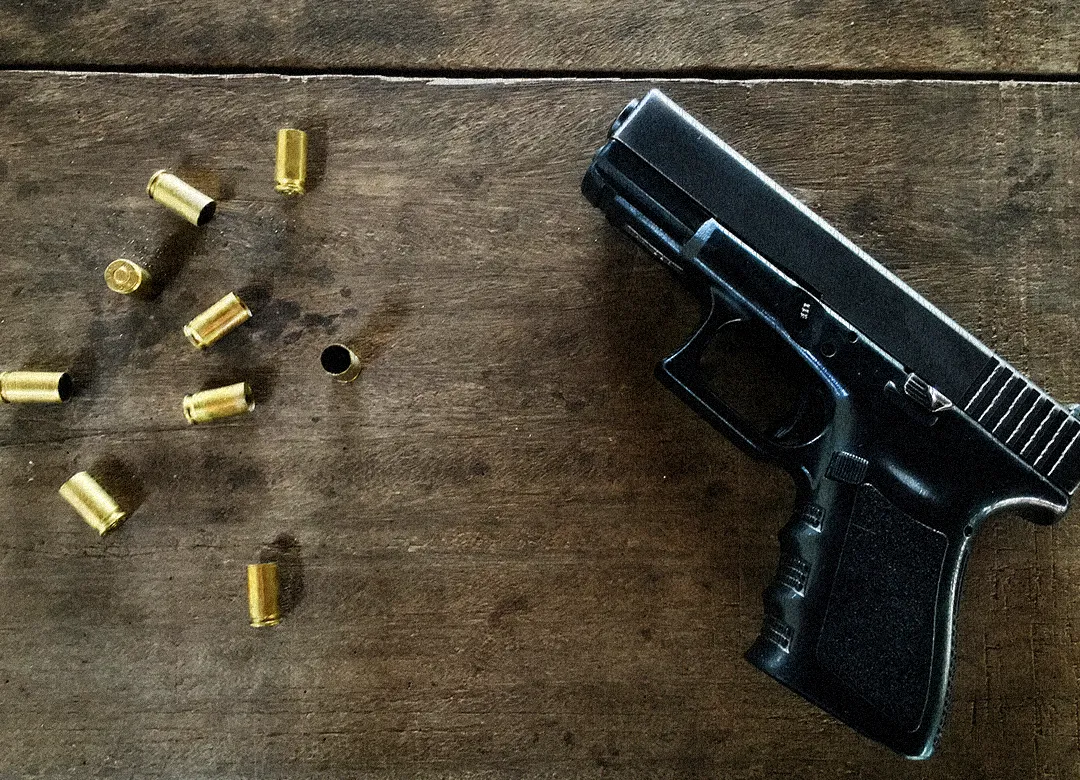
Femicide/Intimate Partner Homicide - Shooting and killing current or former partner
Some abusers take both their partner’s and their own. These devastating incidents often follow long periods of control and fear. It’s why early intervention, mental health support, and public awareness are so critical.

Murder-suicide - Killing partner then self (often involving firearms)
Sometimes the gun isn’t fired, but it’s used as a weapon all the same. An abuser might clean, load, or show off a firearm during an argument just to prove a point or to remind the victim who’s in control. This kind of intimidation keeps victims silent, trapped, and scared to speak out.
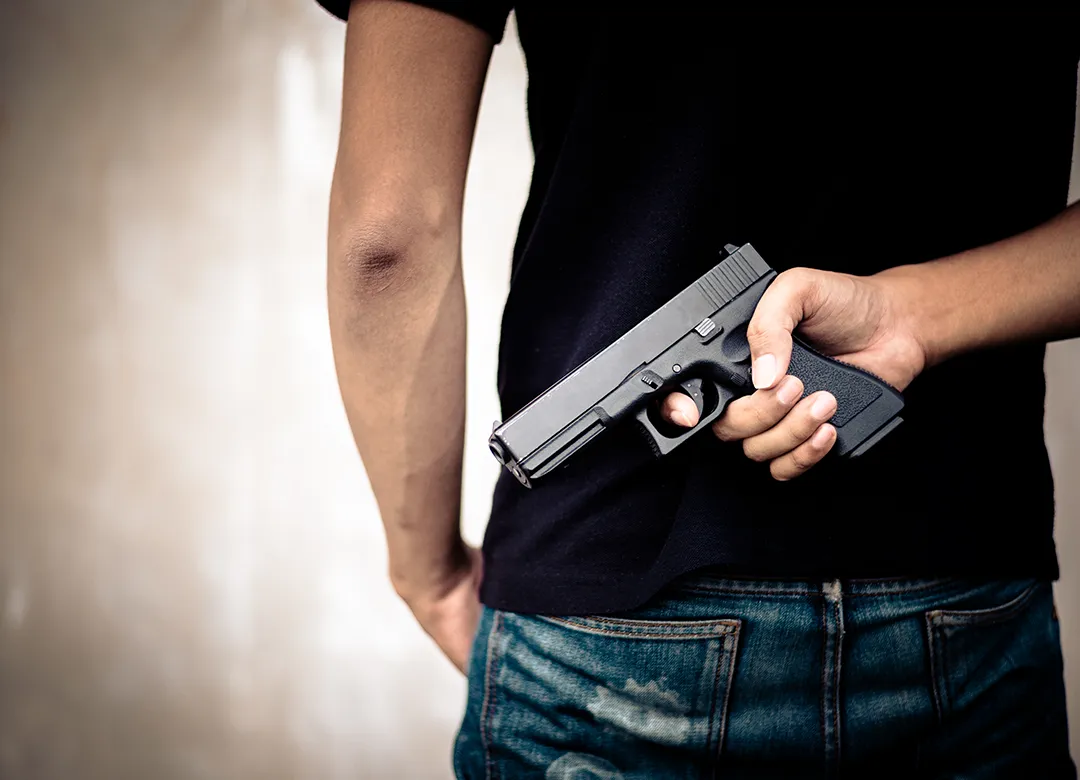
Coercive control - Using firearm presence to maintain power and control
Even without a single shot fired, the presence of a firearm can control everything in a relationship. Victims might avoid arguments, hide their opinions, or change their behaviour just to stay safe. The gun becomes a constant reminder of who holds the power and that’s not love, that’s coercion
Impact of Intimate Partner Violence
Emotional and Mental Pain: Living in fear every day causes deep sadness, stress, and emotional pain.
Physical Harm: Violence can leave serious injuries or even lead to death, especially when firearms are involved.
Money and Job Problems: Abuse often makes it hard for women to work, earn money, or stay independent.
Negative Effects on Children: Children who witness violence feel scared, confused, and may grow up thinking abuse is normal.
Isolation and Loss of Support: Abusers often cut women off from friends and family, leaving them alone and afraid to seek help.
Seeking Help
Every act of violence involving a firearm is a red flag a sign of danger that demands immediate action.
If you or someone you know is in danger, it’s important to reach out for help. Canada’s Red Flag laws allow individuals to report someone who poses a risk to themselves or others, and to request the temporary removal of their firearms.
By learning to recognize these signs and taking action, we can prevent future harm and support survivors in reclaiming their safety and their voices.
Help is available. If you or someone you know has experienced sexual violence, reach out to our help lines.
Emergency (immediate danger) Call 911 right now. Police and medical help will come to you.
Talk 4 Healing (for Indigenous Women) – Call 1-855-554-HEAL (4325) for 24/7, culturally grounded support in many Indigenous languages.
Kids Help Phone – Call 1-800-668-6868 or text 686868 anytime if you’re a young person who needs to talk.
Vancouver Coastal Health – Forensic Nursing Service (VGH) offers private medical care and evidence collection within 7 days of an assault, with or without police involvement. Visit vsdvalliance.org for more.
Salal Sexual Violence Support Centre (formerly WAVAW) – Call 604-255-6344 for their 24-hour crisis line. They also offer hospital support and free counselling for survivors.
Chimo Community Services (Richmond) – Call 604-279-7077 for free counselling and support for women (Mandarin and Cantonese available). Visit chimoservices.com
Hope for Wellness Helpline – Offers 24-hour counselling and support for Indigenous peoples across Canada.
Visit womenalert.ca/resources for easy-to-read, plain language guides about red flag laws, women’s safety, and firearm prevention.
Remember, you are not alone. Help is available, and you deserve to feel safe and supported.
You Are Not Alone. Get Help Now.
If you or someone you know is in danger, please reach out. Confidential help is available 24/7. Your safety is the priority.